Quartzite, Granite & Dolomite

Dolomite protection

Dolomite sits between marble and quartzite: harder and denser than marble, with a similar veined look, but still a carbonate stone that reacts with acid. It is often chosen as the practical marble alternative, and it is more practical, not invincible.

  • 10-year written warranty
  • Most projects in one day
  • Gloss or Matte/Satin
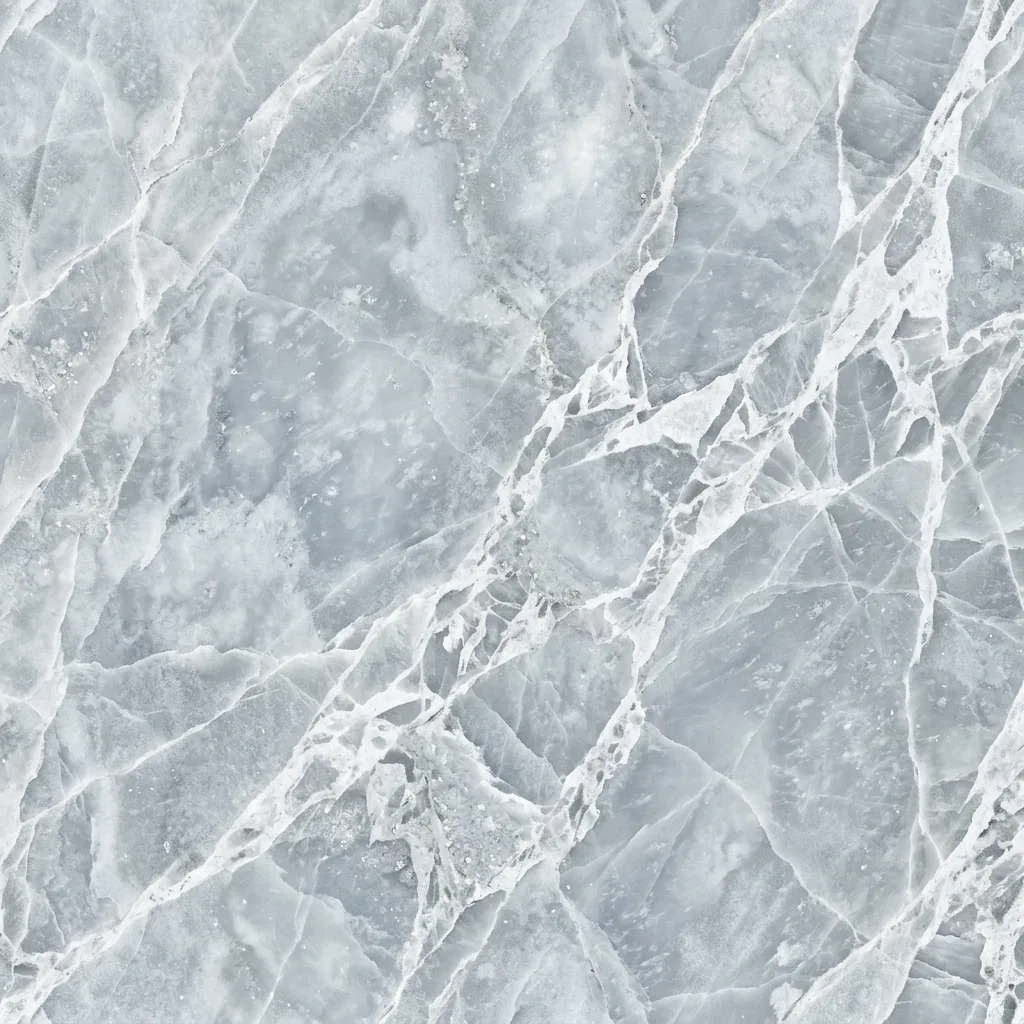
Blue-grey dolomite with bright white crystalline veining

Dolomite + Stone Protection Film

  • No etching
  • No stains
  • Everyday scratches resisted
Stone type
Carbonate (calcium magnesium)
Origin
Brazil, Italy, Spain and more
Hardness (Mohs)
3.5 to 4
Etch risk
Moderate
Stain risk
Moderate
Scratch risk
Moderate

Risk shown for unprotected stone. With our film, all three are covered.

Before you try anything: always speak to a professional before cleaning, treating or applying any product to your stone. Every slab is different, and the wrong product can cause permanent damage. Contact us or a qualified stone restorer first.

Quick answer

Dolomite etches more slowly than marble but it does etch, especially from strong acids like lemon juice and vinegar, and it can stain. Clear protection film blocks both, so a dolomite benchtop can be used and cleaned without the careful habits marble needs.

Key points

  • Calcium magnesium carbonate: slower to react than marble.
  • Harder and more scratch-resistant than marble.
  • Often sold as marble or as quartzite.
  • Film makes it genuinely low maintenance.

Marble's tougher cousin

Dolomite forms when magnesium replaces some of the calcium in limestone. The result is a stone that looks much like marble, with white, grey and blue-grey grounds and crystalline veining, but is harder and reacts with acid more slowly. Stones such as Super White and many "soft quartzites" are dolomites.

Slower etching is a genuine advantage: wipe up a lemon squeeze straight away and you may see nothing. Leave it, or use an acidic spray daily, and the surface will dull.

Where dolomite still needs help

The areas that suffer are predictable: around the sink, where cleaners and water sit; near the cooktop, where oil and sauces splash; and where drinks are poured and served. Film protects those zones along with the rest of the surface, and removes the need to choose special cleaners.

Already marked?

Repairing damaged dolomite

Protection works best on a surface that already looks the way you want. If yours is stained or etched, here is what each kind of damage is and how it is usually fixed. Then we protect it so it stays that way.

01

Hazy patches

Slow etching from cleaners or acidic food. A restorer can re-polish, though it takes longer than marble.

02

Rings from glasses

Faint etches, often only visible at an angle.

03

Oil stains

Less common than on limestone but possible. A solvent poultice usually lifts them.

04

Then protect it

Film keeps the surface even from then on.

Choosing a finish

Gloss or Matte/Satin on Dolomite?

Gloss for polished dolomite, Matte/Satin for honed or leathered, or whichever look you want.

Dolomite questions

Frequently asked

Yes, but more slowly than marble. Strong acids like lemon juice and vinegar will etch it if left on the surface.
It is harder and more resistant to etching and scratching, so it copes better. It is still not etch-proof.
No. Dolomite is a carbonate stone; true quartzite is fused quartz. Some dolomites are sold as quartzite.
Yes. Matte/Satin film suits honed and leathered dolomite.

Protect your dolomite for the next decade.

Request a free quote online or by email. We will call to arrange an on-site visit or a quote over the phone.