Quartzite, Granite & Dolomite

Super White protection

Super White is sold everywhere as a quartzite: a pale grey-white stone with bold grey veins that looks like marble. Many slabs are actually dolomite, and dolomite etches. Owners often find out the hard way, with a lemon.

  • 10-year written warranty
  • Most projects in one day
  • Gloss or Matte/Satin
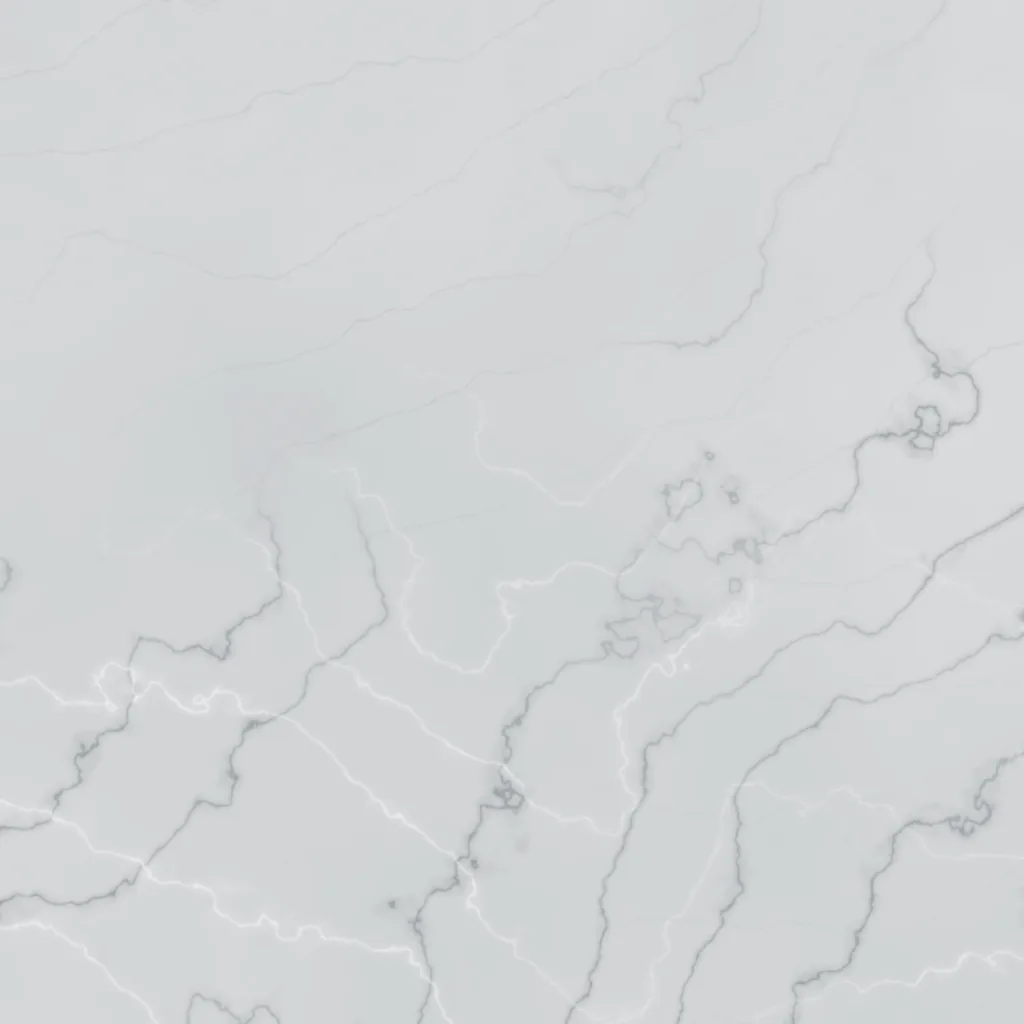
Super White stone with pale grey ground and dense grey and white veining

Super White + Stone Protection Film

  • No etching
  • No stains
  • Everyday scratches resisted
Stone type
Usually dolomite (sometimes dolomitic marble)
Origin
Brazil
Hardness (Mohs)
3.5 to 4
Etch risk
Moderate
Stain risk
Moderate
Scratch risk
Moderate

Risk shown for unprotected stone. With our film, all three are covered.

Before you try anything: always speak to a professional before cleaning, treating or applying any product to your stone. Every slab is different, and the wrong product can cause permanent damage. Contact us or a qualified stone restorer first.

Quick answer

Super White is commonly marketed as quartzite, but most slabs are dolomite or dolomitic marble, which etch from acids (more slowly than marble) and can stain. If your Super White has dull rings or drip marks, that is etching. Clear protection film stops it completely and removes the guesswork about what the stone is.

Key points

  • Frequently labelled quartzite, usually tests as dolomite.
  • Etches more slowly than marble, but it does etch.
  • Pale colour shows oil and turmeric stains.
  • Film protects whatever the stone turns out to be.

Quartzite or dolomite?

Super White comes from Brazil and has become one of the most popular "quartzites" in Australia. The confusion comes from trade naming. Geologically, most Super White is dolomite, a calcium-magnesium carbonate that is harder than marble but still reacts with acids. It will not scratch glass the way true quartzite does, and a drop of lemon left for a few minutes usually leaves a faint dull mark.

That does not make it a bad stone. Dolomite is denser and tougher than most marble. It simply needs to be treated as an etchable stone, and many owners were told it did not.

How etching shows on Super White

Because dolomite reacts slowly, etches on Super White tend to be subtle at first: a faint haze where a glass of wine sat, or a dull patch where a spray cleaner was used daily. Over months they build into an uneven, patchy surface. Film stops that progression and lets you clean with ordinary products.

Already marked?

Repairing damaged Super White

Protection works best on a surface that already looks the way you want. If yours is stained or etched, here is what each kind of damage is and how it is usually fixed. Then we protect it so it stays that way.

01

Faint dull rings

Etches from acidic drinks and food. A restorer can re-polish them; dolomite takes more work than marble.

02

Patchy area near the sink

Repeated etching from cleaners. Switch to pH-neutral products until the surface is protected.

03

Oil and food stains

A poultice suited to the stain type can draw most out.

04

Protect it

Film after any restoration stops the etching cycle for good.

Choosing a finish

Gloss or Matte/Satin on Super White?

Polished Super White suits Gloss, which sharpens the grey veins. Honed and leathered Super White suit Matte/Satin.

Super White questions

Frequently asked

It is usually sold as quartzite, but most Super White is dolomite or dolomitic marble. It is harder than marble but softer than true quartzite.
Yes, in most cases. It etches more slowly than marble, but lemon, wine and vinegar will dull it over time.
Dull rings and patches are etches from acids. They can be re-polished, and film prevents new ones.
Try to scratch a glass tile with an offcut. True quartzite scratches glass; dolomite does not. A five-minute lemon test shows whether it etches.

Protect your Super White for the next decade.

Request a free quote online or by email. We will call to arrange an on-site visit or a quote over the phone.