Quartzite, Granite & Dolomite

Taj Mahal quartzite protection

Taj Mahal is one of the most requested stones in Sydney kitchens: a creamy, warm white with soft gold and taupe veining that looks like marble but wears like quartzite. It is tough, but not immune.

  • 10-year written warranty
  • Most projects in one day
  • Gloss or Matte/Satin
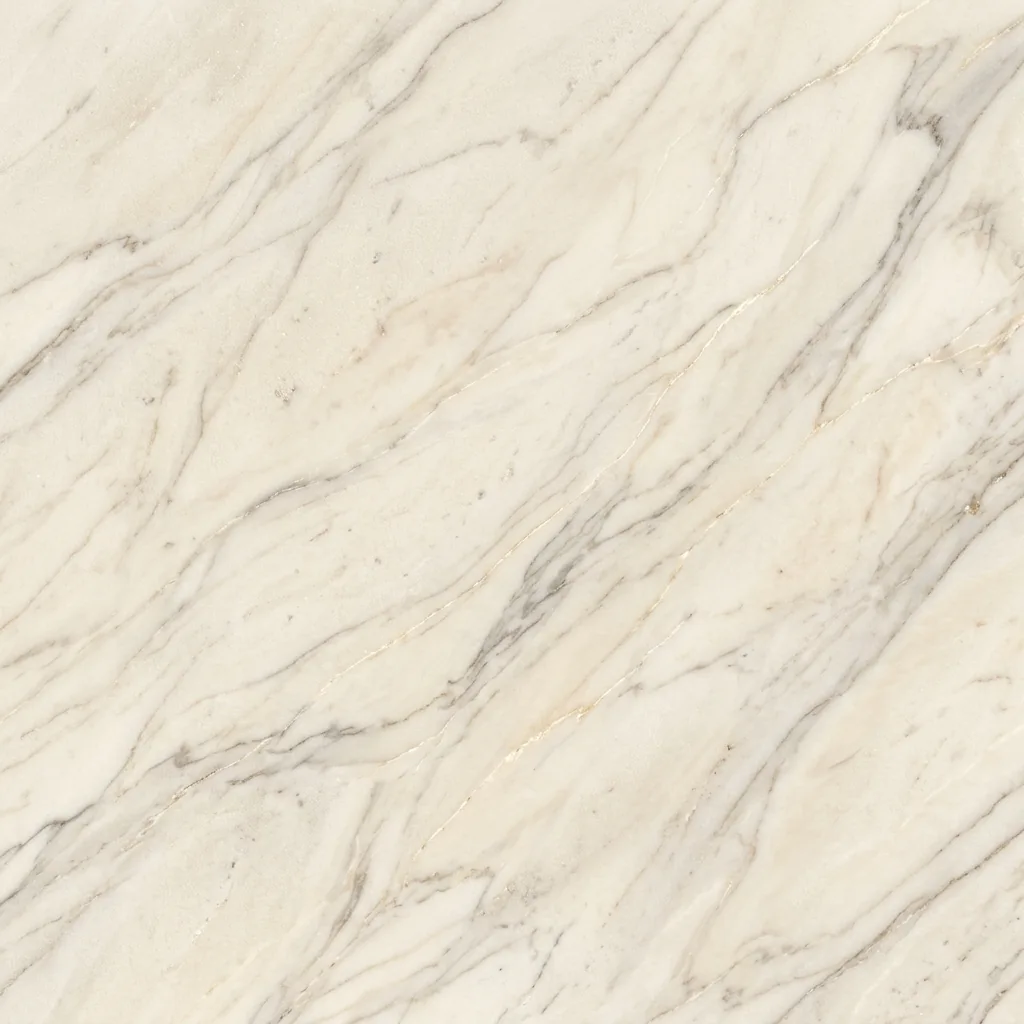
Taj Mahal quartzite with warm cream ground and soft taupe veining

Taj Mahal + Stone Protection Film

  • No etching
  • No stains
  • Everyday scratches resisted
Stone type
Quartzite
Origin
Brazil
Hardness (Mohs)
About 7
Etch risk
Low
Stain risk
Moderate
Scratch risk
Low

Risk shown for unprotected stone. With our film, all three are covered.

Before you try anything: always speak to a professional before cleaning, treating or applying any product to your stone. Every slab is different, and the wrong product can cause permanent damage. Contact us or a qualified stone restorer first.

Quick answer

Taj Mahal quartzite is highly resistant to etching and scratching, but it can absorb oil and dark liquids in porous areas, and the resin applied to many slabs at the factory can show dull marks. Clear film protects the stone and its surface treatment from stains and wear, in Gloss for polished slabs or Matte/Satin for honed and leathered.

Key points

  • A true quartzite from Brazil, prized as a marble alternative.
  • Warm, light colouring shows oil and turmeric stains.
  • Factory resin treatment can mark before the stone does.
  • A favourite for benchtops since the engineered stone ban.

Why everyone wants Taj Mahal

Quarried in Brazil, Taj Mahal has a soft cream to light taupe ground with gentle veining in gold and brown. It has the calm, warm look many people want from marble, with the hardness of quartzite. Since Australia banned engineered stone in 2024, it has become one of the most popular natural stones for new kitchens.

Its hardness means knives, pots and everyday grit are far less of a worry than with marble. What catches owners out is staining: cooking oil splashes, turmeric, beetroot and red wine can all mark a light, slightly porous quartzite if they sit.

The resin question

Many quartzite slabs are resin-treated at the factory to fill micro-fissures and give an even polish. That layer is part of what you paid for, and it can dull or mark from heat and harsh cleaners before the stone itself would. Film sits over it, so the surface you fell in love with in the showroom is the surface you keep.

Already marked?

Repairing damaged Taj Mahal quartzite

Protection works best on a surface that already looks the way you want. If yours is stained or etched, here is what each kind of damage is and how it is usually fixed. Then we protect it so it stays that way.

01

Cooking oil splashes

Show as darker, translucent spots near the cooktop. A solvent poultice usually draws them out.

02

Turmeric and curry stains

Yellow organic stains often respond to a peroxide poultice or sunlight over a few days.

03

Dull spots on a polished slab

Usually the resin surface rather than the stone. A restorer can re-polish.

04

Then protect it

Film keeps a Taj Mahal benchtop the colour it was the day it was installed.

Choosing a finish

Gloss or Matte/Satin on Taj Mahal?

Polished Taj Mahal suits Gloss. Honed and leathered Taj Mahal, very popular in Sydney, suit Matte/Satin, which keeps the tactile, low-sheen feel.

Taj Mahal questions

Frequently asked

It is highly resistant to acid etching. Dull marks on Taj Mahal are more often the factory resin surface wearing, which film prevents.
It can. Porosity varies from slab to slab, and oil, turmeric and red wine can mark lighter areas if left to sit.
Yes. Matte/Satin film keeps the low-sheen, tactile finish of leathered and honed quartzite.
Hardness protects it from scratches and etching. Film is about stains and keeping the surface finish perfect, especially on a light-coloured stone.

Protect your Taj Mahal quartzite for the next decade.

Request a free quote online or by email. We will call to arrange an on-site visit or a quote over the phone.