Travertine, Limestone & Onyx

Limestone protection

Limestone has a calm, chalky beauty that suits coastal and European-style homes. It is also the most absorbent and most acid-sensitive stone commonly used for benchtops: oil darkens it, water can shadow it, and lemon etches it.

  • 10-year written warranty
  • Most projects in one day
  • Gloss or Matte/Satin
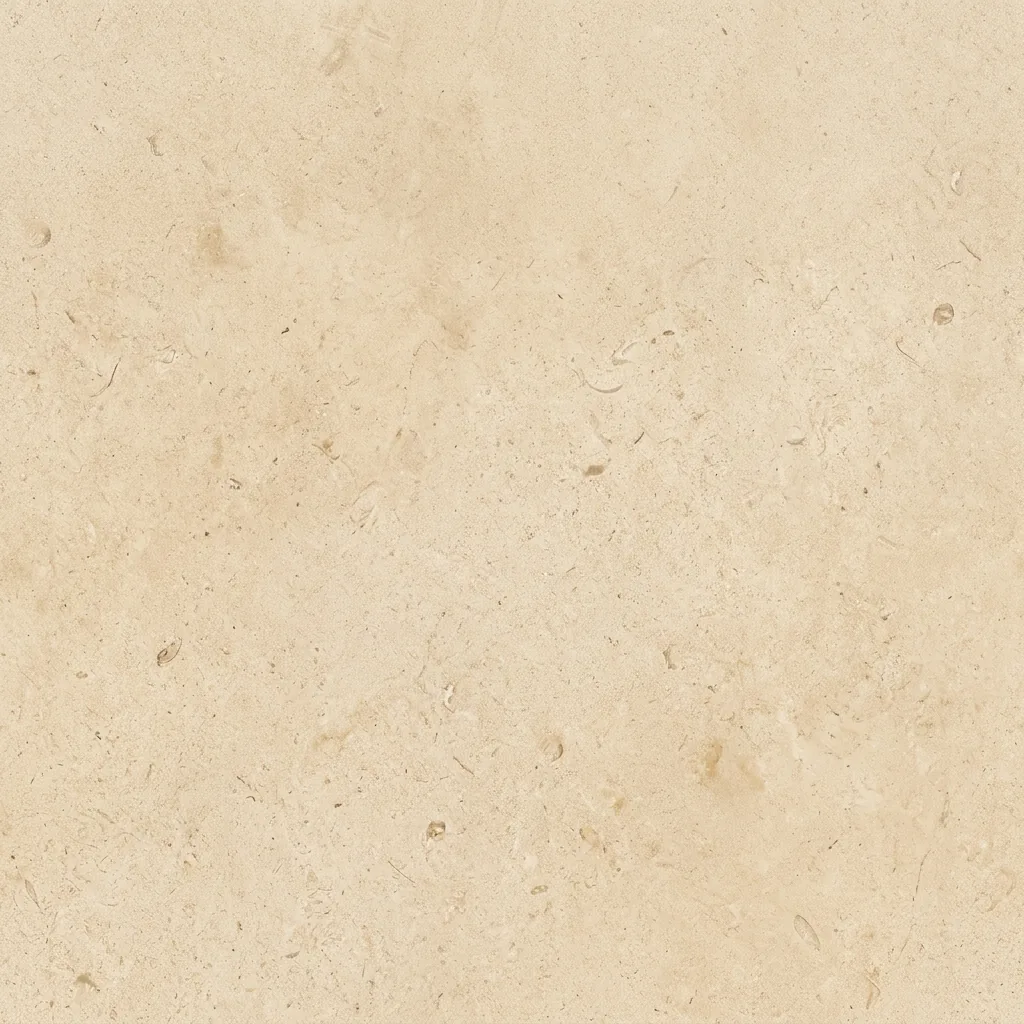
Honed beige limestone with a soft, even texture

Limestone + Stone Protection Film

  • No etching
  • No stains
  • Everyday scratches resisted
Stone type
Sedimentary (calcite)
Origin
France, Portugal, Spain, Australia
Hardness (Mohs)
3 or lower
Etch risk
Very high
Stain risk
Very high
Scratch risk
Very high

Risk shown for unprotected stone. With our film, all three are covered.

Before you try anything: always speak to a professional before cleaning, treating or applying any product to your stone. Every slab is different, and the wrong product can cause permanent damage. Contact us or a qualified stone restorer first.

Quick answer

Limestone is soft, porous calcium carbonate, so it both stains and etches easily. Oil and water can darken it within minutes, and acids leave dull marks. A penetrating sealer only slows staining. Clear protection film is a barrier over the top, so nothing is absorbed and nothing etches, while Matte/Satin keeps the honed look.

Key points

  • Formed from compressed shells and marine sediment.
  • Usually more porous than marble, so stains set faster.
  • Softer too: edges and surfaces scratch and wear easily.
  • Matte/Satin film keeps the natural, chalky finish.

Beautiful, but thirsty

Limestone forms on old sea floors from compacted shells and calcium-rich sediment. It has not been recrystallised the way marble has, so it tends to be softer and more porous. Portuguese limestones such as Moleanos and Moca Creme, French limestones and some Australian stones are popular for benchtops and vanities because of their soft, even colour.

That porosity is the issue. A splash of olive oil can leave a dark patch in the time it takes to find a cloth, water can leave temporary shadows, and a wet coffee cup can leave a ring. Add acid sensitivity on top and limestone is the stone that most needs protection to be practical in a kitchen.

Why film suits limestone better than sealing

Sealers are commonly reapplied to limestone every year or two, and still cannot stop etching. Film stays on the surface for the long term and blocks both problems. Because limestone is almost always honed, we film it in Matte/Satin so the finish looks untouched.

Already marked?

Repairing damaged limestone

Protection works best on a surface that already looks the way you want. If yours is stained or etched, here is what each kind of damage is and how it is usually fixed. Then we protect it so it stays that way.

01

Dark oil patches

Oil soaks deep into limestone. A solvent poultice can draw it out, sometimes over several applications.

02

Water shadows

Darker patches from water usually fade as the stone dries. Persistent marks may be minerals or stains.

03

Etch marks and dull rings

Honed limestone can be re-honed by a restorer to even out etches.

04

Chipped or worn edges

Limestone edges are soft. A restorer can repair chips with colour-matched filler before filming.

Choosing a finish

Gloss or Matte/Satin on Limestone?

Matte/Satin is the natural match for honed limestone. Gloss is available if you want to give limestone a polished, reflective look.

Limestone questions

Frequently asked

It looks wonderful but stains and etches very easily. With protection film it becomes practical for everyday kitchen use.
A clear protection film over the surface stops liquids from ever reaching the stone. Sealers only slow absorption and need regular reapplication.
Yes. Limestone is calcium carbonate and reacts with acids even faster than many marbles.
Not if you choose Matte/Satin, which keeps the chalky, low-sheen finish.

Protect your limestone for the next decade.

Request a free quote online or by email. We will call to arrange an on-site visit or a quote over the phone.