Quartzite, Granite & Dolomite

Granite protection

Granite is the workhorse of natural stone: hard, heat-tolerant and largely unbothered by acid. So why protect it? Because lighter granites stain, polished granites dull in heavy use, and commercial tops take a beating that even granite shows.

  • 10-year written warranty
  • Most projects in one day
  • Gloss or Matte/Satin
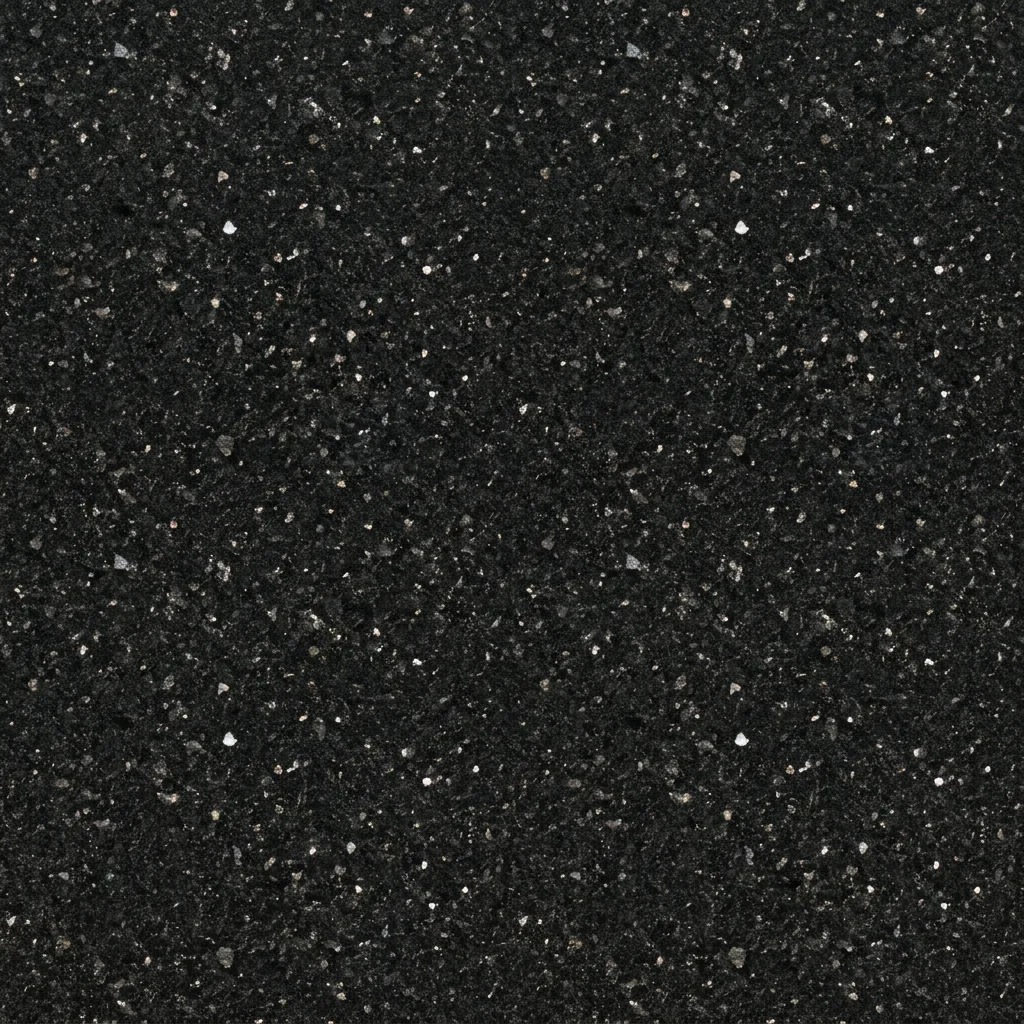
Polished black granite with fine gold and white flecks

Granite + Stone Protection Film

  • No etching
  • No stains
  • Everyday scratches resisted
Stone type
Igneous (quartz, feldspar, mica)
Origin
India, Brazil, Africa, Australia and more
Hardness (Mohs)
6 to 7
Etch risk
Low
Stain risk
Moderate
Scratch risk
Low

Risk shown for unprotected stone. With our film, all three are covered.

Before you try anything: always speak to a professional before cleaning, treating or applying any product to your stone. Every slab is different, and the wrong product can cause permanent damage. Contact us or a qualified stone restorer first.

Quick answer

Granite resists acid etching and most scratches, but lighter, more porous granites can absorb oil and dark liquids, and some commercial "granites" contain minerals that react with acid. Protection film keeps granite stain-free and its polish intact without the periodic resealing granite usually needs.

Key points

  • True granite is mostly quartz and feldspar: acid resistant.
  • Light granites are often more porous and stain more easily.
  • The trade name "granite" includes stones that are not granite.
  • Film ends the resealing cycle and keeps the polish perfect.

Hard, but not always stain-proof

Granite forms from cooled magma, so it is made of hard silicate minerals rather than calcite. Lemon juice will not etch it and a knife will not scratch it. Porosity is where granites differ: dense dark granites barely absorb anything, while light, coarse-grained granites can drink up oil like a sponge, leaving dark patches around the cooktop.

The stone trade also sells some rocks as "granite" that geologists would call something else. A few of them contain calcite or other soft minerals and can etch or pit. If your granite has dull spots, it may not be pure granite.

When granite is worth filming

We most often film granite in three situations: light-coloured kitchens where oil staining has already started; commercial bars, cafés and restaurant tables where heavy use slowly wears the polish; and homes where the owners are simply tired of resealing. Film replaces that maintenance with a protected surface that just needs wiping.

Already marked?

Repairing damaged granite

Protection works best on a surface that already looks the way you want. If yours is stained or etched, here is what each kind of damage is and how it is usually fixed. Then we protect it so it stays that way.

01

Dark oil patches near the cooktop

Oil absorbed by porous granite. A poultice with a solvent draws it out, sometimes over two or three rounds.

02

Dull traffic areas

Heavy use slowly wears the polish. A restorer can re-polish granite back to a mirror finish.

03

Water rings on dark granite

Usually mineral deposits from hard water sitting on top. They come off with gentle cleaning.

04

Protect the result

Film after a re-polish keeps the finish perfect for years.

Choosing a finish

Gloss or Matte/Satin on Granite?

Most granite is polished, and Gloss film preserves that mirror shine. Honed and leathered granite suit Matte/Satin.

Granite questions

Frequently asked

Granite rarely etches, but lighter granites can stain and heavily used tops lose their polish. Film protects against both and removes the need for resealing.
True granite does not etch from kitchen acids. Stones sold as granite that contain calcite can.
Dark spots near the cooktop or sink are usually oil or water absorbed into porous granite. Oil stains can be drawn out with a poultice.
Film is a surface barrier that lasts years rather than needing reapplication, and it also protects the polish from wear.

Protect your granite for the next decade.

Request a free quote online or by email. We will call to arrange an on-site visit or a quote over the phone.